

GET READY TO SURVIVE WITH HEAVEN’S HARVEST SEEDS AND MORE – The Digital Scrolls, February 28, 2026
https://eatingtoascend.substack.com/p/get-ready-to-survive-with-heavens
Unboxing Heaven’s Harvest Seed Kit! (Aspect modified to prevent digital twinning.)
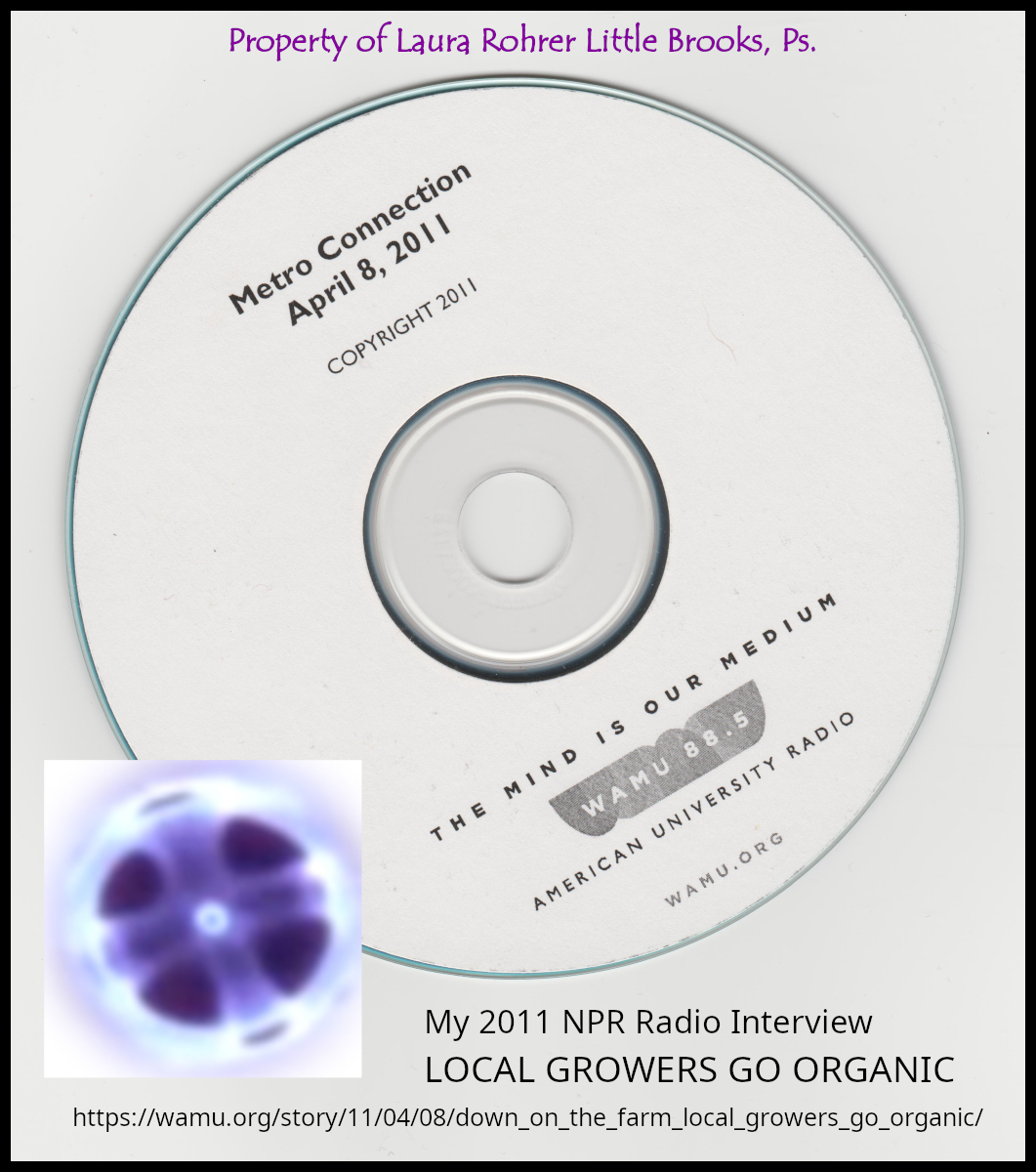
I was delighted when Meredith, owner of Heaven’s Harvest, warmly welcomed me as an affiliate promoting their Survival Seed Kits and other products. She even sent me their most popular seed bucket so I could do an unboxing video, and I had fun doing it, only wishing that the actual video could be shared safely. Very few actually practice digital safety, and are capitalizing on the Biodigital Convergence soul trap at the expense of all their captiveAfter I made the video, I created a description and history of each of the 39 vegetables Heaven’s Harvest chose for their Survival Seedkit Buckets. My lifetime of being a non-GMO and organic gardener (eventually USDA Certified in 2010) actually began in my very early childhood, as described in the interview NPR did with me in early 2011 at my farm in Virginia, just prior to asking for divorce from the secretly gay and cross-dressing Washington D.C. newsman I’d married a little over a year before.
*YouTube has censored me since I joined it in 2010, which is why I took to placing an analog watch in the frame. YouTube rewrote my video description and transcript and used AI to re-arrange my words and delete reference to my family, lineage and fraternal organization ties. This is validated by tracking the time on the watch in the filed of view. As I write this article today, February 28, 2026, it is the three year anniversary of the accident here and I have discovered that NPR has now deleted the interview from its website. I’m glad I have the original CD after all that has transpired.
It can be listened to at https://eatingtoascend.com/2019/10/24/my-2011-npr-radio-interview-local-growers-go-organic/
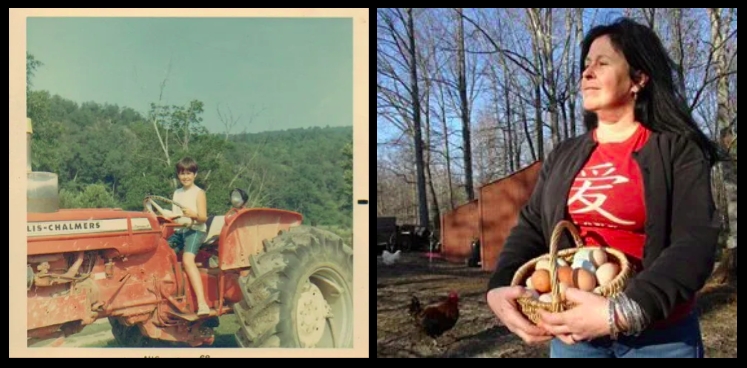
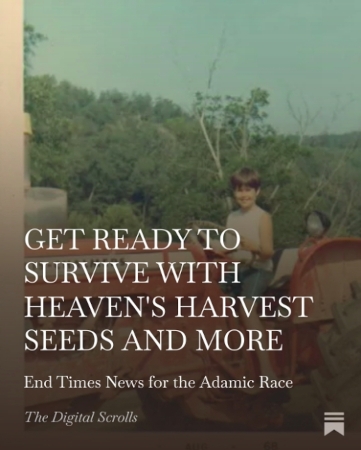
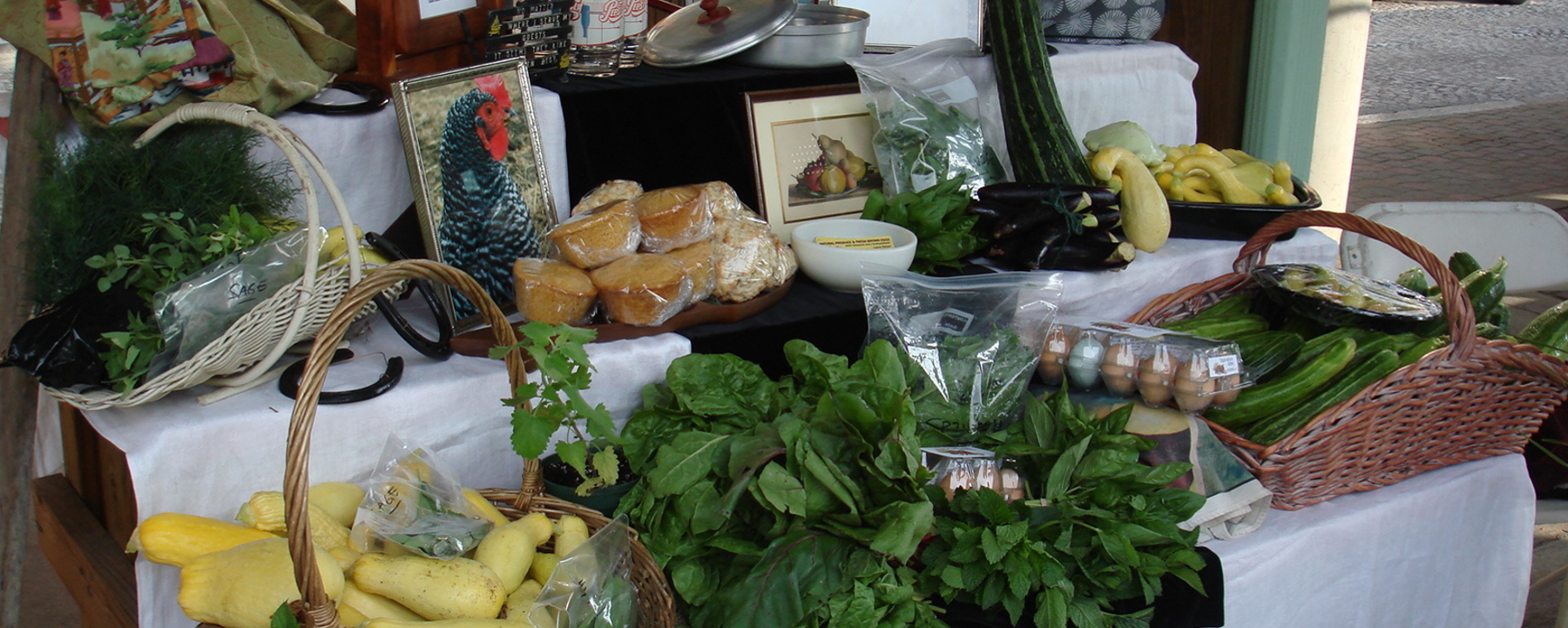
By age 8 I was driving my Uncle Mike’s tractor, helping on his Western Maryland farm, and as an adult had my own farm business: OUR HOME FARM, selling both eating and hatching heritage breed eggs, chicks and goslings, my homegrown produce, baked and preserved foods, handsewn bags, farm crafts and antiques in Virginia and online.

So Heaven’s Harvest decided on 39 varieties of vegetables for the home prepper survivalist garden, and as I unboxed these seeds I saw how many are the market standards western produce consumers are accustomed to, and as such, are what beginning gardeners tend to choose as they venture toward self-sufficiency. I myself have grown many of these seed selections, providing a foundation to build from as the years passed. Experience is
a greatthe best teacher, so I applaud Heaven’s Harvest’s choices and as my unscripted, candid commentary of the unboxing of their Survival Seed Bucket reveals, the realization of food security is high with their reputable and time-tested seed offerings. It’s a wonderful start for anyone. When possible, I have included vintage seed packets or illustrations. If support by way of readers takes place, count on future articles will expand on selected varieties of which I have ‘unearthed’ precious information helpful to home food growers.
It behooves us to define Non-GMO and Heirloom or Heritage
“When you think of an “heirloom plant”, you may be imagining a plant that has changed little in over a hundred years—something our great- great-grandparents would have farmed and eaten. However, the definition of an heirloom plant is a bit more fluid than that, and not only includes edibles but also plants such as flowers, herbs, bulbs, and shrubs. In fact, there is no singular consensus on how many years a plant has to have remained unchanged to be considered an heirloom. Some groups use cut-off dates—meaning dates after which the plant has not changed. For instance, 1940 is the cut-off date used by the Southern Exposure Seed Exchange in Virginia. The Heirloom Garden at the National Museum of American History uses a cut-off date of 1950. Plants can be considered heirloom if they have not changed in 50, 75, and 100 years; there is not a single date used by a single, overriding authority. Heirloom vegetables have been passed down over generations, often being 50, 75 or 100 years in cultivation. Heirloom gardeners use seed saving techniques or buy seeds from heirloom seed companies. Prior to, and during, WWII, many people grew their own vegetables in backyard gardens. When many hybrid plants were produced after the War, creating plants with desirable traits and increased yields, a large number of people wanted to preserve their own seed because they missed old varieties of plants. This led to the beginning of the heirloom gardening movement. The first use of the term “heirloom” in relation to plants appears to be in describing edible crops, most likely bean seeds, in the 1940s: Professor J. R. Hepler at the University of New Hampshire told John Withee, prominent bean seed collector, about some beans given to him by friends and described them as “heirloom”. Widespread use of the term was cemented in 1981 when Kent Whealy, co-founder of Seed Savers Exchange, gave a speech in Tucson using the term after obtaining permission to use it from John Withee. “ – The Biodiversity Heritage Library 2011
Use code eatingtoascend with this link https://heavensharvest.com/eatingtoascend for all the seeds I have lovingly cataloged and described below!
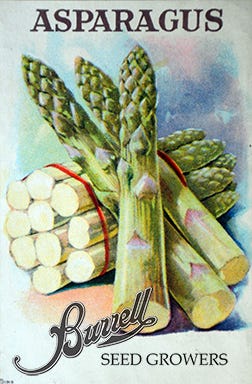
Mary Washington Asparagus is packed with essential vitamins and minerals. is an excellent source of vitamin K, which helps to maintain blood clotting and healthy bone density. Additionally, it contains high amounts of vitamin C, which helps to boost the immune system. Asparagus is also full of antioxidants that help protect against free radicals and reduce inflammation. It was introduced in the United States by the daughter of George and Mary Washington, who brought the first seeds to her home in Maryland after visiting England. From there, it slowly spread around the country and is now grown in many parts of North America. Mary Washington asparagus is available all year round in most parts of North America. It peaks in late spring/early summer, when it is most flavorful and tender. Rust-resistant asparagus can produce long, dark-green shoots for over 20 years.

The Detroit Dark Red Beet is the standard for beets, originally developed in 1892 from “Early Blood Turnip Beet”. They hail from Ontario, Canada, where a Mr. Reeves (first name unknown) developed them from blood turnips. This globular beet and were first offered in 1892 by the D.M. Ferry & Co. However, beets seem to have originated in the Mediterrenean region, where people grew them for thousands of years. American colonists later brought red beets to the New World, where they became a commonly enjoyed vegetable both for their roots and their greens. Excellent choice as a main crop for canning, reliable yields of 3″ round, blood red, roots. n the inside, these organic Detroit dark red beets are blood red in color, with virtually no zoning. Medium green tops with tinges of red can be harvested early and used for salad greens. Tip: soften your beet seeds by soaking them in water for 2-4 hours.

Brussel Sprouts Long Island Improved were first domesticated in the 1300s near Brussels, Belgium from a kale-like form of wild cabbage. They are part of the brassica family, which includes broccoli, cauliflower, and cabbage. Long Island Improved Brussels sprouts are a dwarf heirloom variety introduced on Long Island, New York, in the 1890s. A single stalk can bear fifty to one hundred dark green sprouts. Leaves should be continuously removed from the lower parts of the plants to enhance sprout development. In the fall, exposure to mild frosts tends to sweeten the sprouts. Adding lime to the soil before planting will also sweeten Brussel Sprouts.

Green Sprouting Calabrese Broccoli is a beloved Italian heirloom, brought to America in the 1880s and formally introduced to the seed trade between 1914 and 1918. This hardy, old-fashioned variety remains a staple in gardens for its vigor, extended harvest period, and exceptional flavor. Exceptionally frost-tolerant and thriving in cool climates, plants grow tall—30 to 36 inches—upright and leafy. The primary central head is bluish-green, typically 5–8″ across, with numerous side shoots continuing to emerge after the main harvest. Rich in calcium, iron, potassium, zinc, folate, and vitamins A, B6, C, E, and K, and known for its general resistance to plant diseases. For purity, isolate from other brassicas to prevent cross-pollination.

Bush Bean Blue Lake 274 was introduced 1961 as a bush version of ‘Blue Lake’ pole bean, tracing its origins back to the Klamath Blue Lake region in California. Pods fill slowly and retain tenderness for a long period. Resistant to bean mosaic and is widely adapted. An excellent variety for canning and freezing. Nitrogen-fixer in the soil – chop up plant and work it back into the soil before winter. Garlic, onion and shallot stunt the growth of beans, so plant in another area of the garden.
Bush Bean Provider is now an heirloom that became a market standard and has garnered attention for its reliable performance and ease of cultivation. Introduced in 1965 by horticulturist Dr. Hoffman of the U.S. Vegetable Laboratory in South Carolina, Provider beans have a rich history dating back to the mid-20th century, when they were bred for both home gardens and commercial production. These beans are characterized by their compact growth habit, typically reaching about 18 to 24 inches in height, which makes them perfect for small spaces and easy to manage without staking. A high-yielding, early producing bean with great disease resistance to bean common mosaic virus (NY15), pod mottle virus, and mildew. These stringless, straight beans germinate in cooler soils than other beans, allowing for earlier sowing. Pick garden beans every day; the more you pick, the more beans grow. Container gardening friendly!

Early Jersey Wakefield Cabbage was developed by Francis Brill in Jersey City, New Jersey, in the 1840s and quickly became popular for its reliable growth and delicious flavor. It is a short-season cabbage with a compact garden footprint known for producing small, pointed heads and has been a favorite among gardeners and market growers for over a century. Mild flavor raved about for salads and sauerkraut, and perfect for square foot or raised bed gardens.

Cantaloupe Jumbo Hales Best… cultivated in ancient Egypt, Iran and India dating back to biblical times, or around 2,400 BC, Hale’s cantalope was introduced into the market by I.D. Hale, hence the name, who discovered this varietal in Imperial County near Brawley, CA in the 1920’s. A drought tolerant heirloom capable of producing fruits up to 6lbs!

The Danvers Carrot is a root vegetable developed in 1871 by the Massachusetts seed company Danvers. They are a medium-sized carrot, often called “half size”, reaching 6-8”. The traceable history of the carrot spans 5,000 years, and related to the wildflower Queen Anne’s Lace, which traces to Afghanistan! The modern carrot came into being thanks to the efforts of the French and Dutch who desired a high yield, improved flavor, and uniformity across harvests iand is able to grow in soil that’s rocky, heavy or high in clay, and performs well in container and square foot or raised bed gardens. It’s strong stalks make it easier to hand-harvest. Carrots prefer slightly acidic soil. Crisp and sweet when raw, it is also an excellent cold storage keeper for wintertime soups and stews. Rich in beta-carotene, Vitamin A, antioxidants and minerals, starch-free Carrots have a high sugar content, which explains their roasted caramelized goodness for entrees and desserts both.

Snowball Cauliflower plants were introduced by Peter Henderson and Company in the United States in 1888 and is thought to have been cultivated 2,000 years ago in the Eastern Mediterranean where it was reserved for the elite due to its delicate nature. The 19th century Snowball variety became popular due to its beautiful, tightly formed 6”-7” heads and early harvest, and grows well in most climates. while it thrives in cooler weather, it tolerates forcing or over-wintering for early crops in warmer climates. It IS considered difficult to grow, so read up! Did you know? The textured head ‘inflorescences’ on cauliflower are called… curds!

Tall Utah Celery is an heirloom variety introduced in the 1953 by the Ferry-Morse Seed Co., and is what most are getting in the grpcery stores today. It produces long, bright green, stringless stalks that can grow up to 12 inches tall, known for their crisp texture and strong disease resistance. Celery is a moisture loving crop so consistent regular watering is a must. You can harvest the whole plant leaving an inch above the soil and it will regrow. Individual stalks can also be harvested from the outside as needed, omitting the need to store an entire crop all at once, and it makes a fine companion for square foot, raised bed and container gardens. The hearts are tightly folded, and stalks are broad, thick and well-rounded. Leaves are edible and very tasty, containing significant amounts of vitamin A. Celery lends itself well to drying for prepper storage.

Georgia Southern Collards are a slow-bolt (go to seed), non-heading type that’s a reliable producer and can grow to be 3’ tall. It was introduced before 1885. Light frost tolerant, which only makes the leaves sweeter. I rake leaves around the rows and have overwintered my greens through many a Northeast winter as they can survive temperatures down to 20 degrees F! It grows upright on strong stalks, with large, somewhat crumpled blue-green leaves. Collards are some of the oldest greens in the Brassica family, and have amazing nutritional value. Collards are not native to the United States, but Eurasian in origin, and ancient Romans and Greeks feasted on them thousands of years ago. The large leaves not only make delicious steamed greens, but make great low-calorie wraps which substitute for tortillas, and when young, hearty salad greens. Excellent square foot, raised bed and container variety.

Poinsett 76 Cucumber was developed in South Carolina in 1976. It is named after Dr. Joel Poinsett, the first person to grow cucumbers in the state. It’s a hybrid of two other cucumber varieties, the Charleston Gray and the Chinese Long. Known for its disease resistance and excellent slicing qualities, it produces dark green, straight fruits that are typically 7-8 inches long and grows well in all climates, including hot and humid. Why? This variety is a descendant of the common cucumber, Cucumis sativus, which has been cultivated for over 3,000 years, originally domesticated in India. Not recommended for New York growers as it is susceptible to cucumber mosaic virus (spinach blight).

National Pickling Cucumber was bred by the Michigan Agricultural Experiment Station for the National Pickle Packers Association and released in 1924. Cucumbers and pickles had become so popular that the National Pickle Packers Association was formed in 1893, today known as Pickle Packers International. In 1929, this association asked the Michigan Agricultural Experiment Station to create the ideal pickling cucumber, and so it came to be. Designed to fit neatly within a canning jar, the standardized size created specifically for pickling, they readily absorb the flavors of any brines, vinegars, juices, herbs, or spices with which they come into contact. For that reason, they are naturally mild, neither sweet nor bitter. The skin (rind) is thin so that they can easily soak up other foods and liquids, yet remain crispy. Vines can reach 3 to 4 feet and can be grown on the ground or up a trellis, great for container, square foot and raised beds. Good cucumber mosaic virus disease resistance. Pick cucumbers daily to encourage production.

Black Beauty Eggplant is an old heirloom variety from 1902 that’s still highly sought after in home gardens. Known for its large, glossy, purplish-black fruits that weigh between 1 to 3 pounds, historically the place of meat in vegetarian diets. It originated in China and the Far East, cultivated there for thousands of years, a critical part of the Asian diet for millennia. The Spanish Moors introduced the eggplant into southern and Eastern Europe where it became very popular. Introduced into the Americas in the 1500s, but the plant never caught on. It grows well in both northern and southern climates, and has less spines on the neck (calyx) than other varieties, making handling easier. Avoid planting your eggplant seedlings in a spot where potatoes, peppers, or tomatoes were grown the year before to avoid problems with pests and diseases that may have overwintered in the soil. Good long term cold storage keeper if clean when stored, wrapping in newspaper individually.

Vates Blue Curled Scotch Kale traces its roots to the eastern Mediterranean and Asia Minor, where kale-like greens were cultivated as early as 2000 BCE by ancient Greeks and Romans. Curly kales became prominent in northern Europe, particularly Scotland, by the Middle Ages, earning the name “Scotch” for their prevalence in Scottish cuisine. The Vates strain was developed in 1950 at the Virginia Truck Experiment Station (hence “Vates”) in the United States, selected for uniformity, compact size, and resistance to bolting and pests. Its reliability made it a staple in American gardens, and its cultivation expanded during the 21st-century superfood trend. Vates has a dwarf, bushy habit, making it ideal for small gardens or containers. Its cold tolerance allows it to maintain vibrant color and texture even after frost, and its pest resistance sets it apart from other curly kales.

American Flag Leek is an old, reliable type with a mild, sweet onion flavor, excellent tolerance to cold and long white shanks. Also called “Giant Musselburgh” or just “Flag Leek,” this heirloom variety comes from Europe, but has been well-loved in American gardens since the late 1800s. Very adaptable and easy to grow. Native to the Mediterranean, North Africa and western Asia, the leek is a highly nutritious ‘superfood,’ leeks are rich in fiber and vitamins A, E, and K. Cultivated by humans since antiquity, the leek was a favorite of the ancient Egyptians, Greeks, and Romans, and whined about by ungrateful Hebrews as they were supernaturally led from captivity. The leek was first introduced to Europe during the Middle Ages and was later introduced to North America by early settlers. The leek is also a food of legend in Wales, instrumental in saving the country during the battle of Heathfield when St. David advised the Welsh army to adorn their helmets with leeks found growing upon the battlefield to distinguish their soldiers from those of the invading Saxon army. It’s the national vegetable of Wales, often worn by Welsh citizens on St. David’s Day to commemorate this event. It’s not dependent on the amount of daylight it receives per day so perfect for part-shade spots. Is great in soups, has nice flavor, and good yields. Produces 12-14 shanks per plant. Frost-tolerant and easily carried into the winter, extending the fresh vegetable growing season. A must for every gardener’s kitchen!

Buttercrunch Lettuce appears to have been domesticated from a weedy species of wild lettuce that produced lettuce leaves on the top of a tall stem. Evidence supporting this theory comes from Egyptian tomb paintings dating back 4,500 years showing bundles of stem lettuce being transported. The first written accounts describing lettuce are from Herodotusis, who mentions it in his histories. Known for its soft, tender leaves and sweet, mild flavor. It was developed in the 1950s by horticulturalist George Raleigh at Cornell University and has become popular for its heat tolerance and reliable growth, making it a favorite among home gardeners. Historically, lettuce has been cultivated since at least the 6th century BC, with its origins traced back to ancient Egypt, and it was later spread to Greece and Rome. Related to Bibb lettuce, Buttercrunch is valued for its exceptionally tender leaves, buttery flavor, and compact, rosette-like head, and is more tolerant of heat than some types, making it a good addition to gardens in warmer climates. Good for small space gardening.

Henderson Lima Beans, AKA Henderson’s Bush Lima, was first discovered in 1883 on the side of the road in Lynchburg, VA. While it was enjoyed by locals, the bean didn’t see widespread popularity until 1888, when it was cultivated and introduced in the state of New York by Peter Henderson. While lima beans originally come from Peru and other South American countries, they’ve been in the United States for hundreds of years. Who knows how the Henderson lima bean got to a roadside ditch in Lynchburg, Virginia! Also commonly known as butter bean, sieva bean, double bean or Madagascar bean, it’s a legume grown for its edible seeds or beans. Appreciated for their tender texture, sweet flavor, and reliable productivity, it thrives in various conditions and matures within 65 to 85 days. A favorite with vegetarians (I saute them with cabbage, peppers, sweet potatoes, onion, garlic and fresh rosemary), they’re a rich source of protein, iron, manganese, copper, phosphorous, thiamine, folate, and molybdenum and an excellent source of fiber. Like green beans, they’re nitrogen-fixers, so till the plants into the soil after harvest season.

Tendergreen Mustard Greens (also called Komatsuna in the Orient) is a cross between mustard and spinach, and this variety is mild and delicious. Mustard greens originated either in Europe and Siberia or in northwest India. The word mustard is derived from the Latin term must, which refers to the fresh juice or crushed pulp of grapes or other fruit with which the ground seeds of mustard were mixed for use as a condiment. Vegetable growers sometimes grow mustard as a green manure. Its main purpose is to act as a mulch, covering the soil to suppress weeds between crops. If grown as a green manure, the mustard plants are cut down at the base when sufficiently grown, and left to wither on the surface, continuing to act as a mulch until the next crop is due for sowing, when the mustard is dug in. Mustard greens are used in ‘phytoremediation’ to remove heavy metals, including lead and cadmium from the soil in hazardous waste sites because it has a higher tolerance for these substances and stores the heavy metals in its cells. The process of removing heavy metals ends when the plant is harvested and properly discarded. With the rate of toxic chemical spraying carried out now in geoengineering, I would consider planting a crop of Mustard Greens on the garden space yearly, then removing it and disposing of it somewhere it won’t contaminate the land, to cleanse the soil. I suspect this is why it’s reknowned for lowering cholesterol levels in the blood!

Clemson Spineless Okra is an heirloom vegetable, this popular variety was chosen was developed in 1939 by variety of the Perkins type okra, developed by the South Carolina Experiment Station. It yields dark green, slightly grooved pods that are straight, pointed, and entirely spineless, making them easy to harvest, and if picked small are very tender, lending themselves to pickling recipes uniquely, for while used widely in stews and soups, can also be enjoyed baked, grilled, fried and steamed. Okra is known for its ability to thicken the consistency of prepared dishes. Harvest regularly, for if pods are allowed to mature the plants will stop producing.
White Bunching Onion is a species of perennial plant, often considered to be a kind of scallion; a clumping, slowly spreading, evergreen, perennial onion. Onions were grown in Ancient Egypt and that eventually they arrived in Rome. It was in Rome that they were given the name unio, which means large pearl. Unio became unyon in Middle English when the Romans introduced the onion into the British Isles. Today for gardeners, growing these perennial non-bulbing alliums will produce yummy green stems and tiny white roots, year after year – seed once, harvest forever. Prized for its resilience, flavor, versatility, and ability to withstand cold temperatures and continue growing, providing a reliable harvest of fresh green onions year- round.
Sweet Spanish Yellow Onion, with its its large size, mild flavor, and golden skin is perfect for fresh dishes like salads and sandwiches, as well as for cooking and pickling. Onion cultivation dates back over 5,000 years to ancient Egypt. This particular variety is esteemed for its mild flavor and large size, attributes developed through selective breeding practices aimed at creating onions that were more palatable for raw consumption. It thrives in well-drained, fertile soil rich in organic matter with a pH between 6.0 and 7.5. Proper watering is crucial, particularly during bulb development, but reduce watering as the bulbs mature to avoid rot. Avoid fertilizers high in Sulfur as this can affect the taste. And don’t forget to put a slice on the sole of your foot under a clean pair of socks a few times a week to remove toxins from your body!

Sugar Ann Peas are a group of edible podded peas that were developed in 1984 by breeding a Chinese snow pea with a mutant pea plant. Sugar Ann is a bush plant producing up to 2 weeks earlier than other peas and grows well in small garden spaces and containers. A string-less pea, they are not shelling peas, since you eat the entire tasty pod, raw or lightly cooked. They freeze well without needing to be blanched. Peas, along with beans and grains, are among the earliest of all cultivated vegetables. Evidence of peas have been found in lake mud beneath the site of houses created by Bronze Age Swiss lake dwellers that is over 5,000 years old. Peas have also been found at a prehistoric cave site in Hungary that is believed to be much older than the Swiss site Peas have also been found at a prehistoric cave site in Hungary that is believed to be much older than the Swiss site. Interestingly, no evidence of peas has been found at ancient Egyptian sites, but peas have been found in the ruins of the ancient site of Troy! Liek all legumes they are nitogen-fixers, meaning they improve the soil. I always plant Nasturtium seeds with the peas to repel pests. It’s pretty and you can eat the nasturtium flowers in salads too!

California Wonder Pepper (only 10 Scoville Heat Units) is an heirloom bell pepper developed by UC Davis in the 1920s. Known for its large, blocky shape and sweet flavor, typically ripening from green to red. It quickly became a popular choice for home gardens due to its high yield and disease resistance, setting a standard for bell peppers in the United States. Both sweet and hot peppers are indigenous to Central and South America. They have been cultivated since prehistoric times. Archaeologists have found chili peppers at sites dating to 7000 BC. The Aztecs, Incans and Mayans all cultivated peppers. Known for its thick-walled, blocky 3-4” fruits that transition from green to vibrant yellow, orange then red when fully ripe, with juicy mild sweetness and exceptional versatility. Just a few plants can produce pound after pound of produce, making it a staple in home gardens. A good source of vitamins A and C, fiber and potassium. They keep at room temperature up to a week, freeze without need for blanching, a good choice for pickles and easy to dehydrate.

Early Jalapeno Pepper is a medium-sized chili pepper known for its moderate heat, typically ranging from 2,500 to 8,000 Scoville Heat Units. Originating from Mexico, specifically the Xalapa region, it has been cultivated for thousands of years. Truly early at 66 days, it’s the best variety for cooler climates. Enjoy pickled, fresh, and roasted. Early Jalapeno plants are compact and bushy, making them suitable for a variety of garden settings, including container gardening. They prefer full sun and well-drained, nutrient-rich soil. Regular watering and fertilization will help maximize yield and pepper size. Peppers can be harvested when they are green and firm for a milder flavor or allowed to ripen to red for a sweeter and slightly hotter taste. Check marks are normal. Frequent harvesting encourages the plant to produce more fruit throughout the growing season. The well-known chipotle chilies are dry-smoked jalapenos picked when red ripe. Jalapeno peppers when red are fermented to make Sriracha sauce!

Jack O’Lantern Pumpkin, the classic, iconic pumpkin for Halloween carving, was introduced in 1956, produces beautiful, round, 10-20 pound pumpkins with smooth orange skin and stores for months. Its flesh is as desirable as can be, used for pies, soups, pastas and more. If a non-toxic candle is used for the Jack O’Lantern, the day after, scrape out the inside to remove any candle wax or soot, cut into large cubes and steam until soft, pack into quart jars and refrigerate for Thanksgiving pies. You will never buy canned pumpkin again. And save the seeds, which can be roasted, are rich in nutrients including magnesium and zinc, and most importantly, are anti-parasitic, as they contain a substance called cucurbitin that paralyzes worms and parasites in the body to remove them.

Known for their high yields, Early Scarlet Globe Radish (Raphanus sativus) first appeared for sale in America in the 1885 seed catalog of James Vick of Rochester, New York. He simply stated, “This new variety is one of the finest for forcing and market gardening purposes.” Varieties of radish are broadly distributed worldwide, but almost no archaeological records exist to determine their early history and domestication, only their tentative origin in Southeast Asia, the only region where truly wild forms were discovered. Records indicate its cultivation in Europe as early as the 16th century. Thomas Jefferson preferred the scarlet radish, although his garden also included salmon, rose, violet, and white types. Radishes like light, sandy soil cultivated deep, full sun, and best planted spring and fall, avoiding hot summer. For continuous harvest, plant a new crop every two weeks in rows spaced 6” apart, kept-well-watered to avoid slow development which causes the radishes to be hot and pithy. Note: while non-GMO, it is a hybrid, so if saving seeds one may experience an off-type the next planting season.

American Purple Top Rutabaga is an heirloom root vegetable known for its round, bulbous shape, creamy yellow flesh, and distinctive purple crown with a surprisingly sweet flavor and full of nutrients including potassium, magnesium, calcium, iron, zinc and vitamin C; a nutrient profile demanding respect and inclusion in every kitchen garden. It originated from a 17th Century Bohemian cross between turnips and cabbage which then became popular in early 19th century North America. The oldest catalogue mention of it was an advertisement in the March, 1862 edition of the American Agriculturalist by R. H. Allen Seed Company of New York, then it was listed in the 1888 Burpee Seed Catalog. Rutabagas in general have been cultivated for thousands of years and were a staple food source during the Roman Era. American Purple Top has large, globe-shaped roots that grow 4” to 6” in diameter with up to 20” greens tops that poultry and livestock will love. Plant primarily as a cool fall crop with room to grow, sowing seed in mid-summer, eventually spacing the plants 6” to 8” apart with rows 15” to 20” apart. Once the purple-shouldered, golden roots reach the size of softballs (or before a severe frost), harvest by pulling out the entire plant, cutting off tops within 1” of the crown. Store them in a cool, humid spot for use throughout the winter. Deer resistant, too!

Nobel Giant Spinach, also known as Giant Nobel, is an heirloom variety introduced in 1926 by Zwaan and Van der Molen in The Netherlands and recognized as an All-America Selections winner in 1933. With large, thick, dark green leaves and its known for its sweet flavor, making it suitable for both fresh and cooked dishes. A cold-tolerant annual, its origins hail from ancient Persia and wild varieties are found throughout Asia, North Africa and Europe thanks to early trade. Noble Giant likes well-draining soil with lots of organic matter. They also like partial sun but can tolerate full sun if not too hot. Tender leaves are great for cooking, canning, steaming, freezing or salads. This is the giant of the spinach clan; plants spread to 25 inches! Great in containers and small gardens.

Golden Summer Crookneck Squash is a Native American variety dating to before European contact and was commonly grown in Appalachia, making it possibly from the Cherokee heritage, and is a true Native American variety dating to before European contact. arguably has the best taste of all yellow summer squash! It’s one of the earliest summer squash produces that yeilds heavily until fall. With a thin and tender non-rindey skin, the small, open bushes are very prolific, and its fruits, flowers, and young leaves are all edible, making it a versatile choice for many dishes. Great fresh, steamed, sauted, or grilled, pickled, canned, frozen or dried – perfect for small spaces, containers or large gardens and its open airflow deters disease and pests.

Butternut Waltham Squash is a winter squash developed in the 1940s by Charles Leggett in Stow, Massachusetts, by from a cross between New Hampshire Butternut and a wild Gooseneck squash from Africa. It was then refined by the Massachusetts Agricultural Extension Service before attaining its heirloom non-GMO status. This prolific, easy to grow squash is known for its smooth, tan-yellow skin, sweet, nutty flavor, and is commonly used in baked goods, soups, roasted dishes – even with pasta. The 3-6 pound fruits are large and the seed cavity is small, so the ratio of flesh to seed high. A fall harvest, this squash that needs to sit for at least a month or two so the squash’s starches can turn to sugar. The thick skin and hard rind of this variety make it ideal for long-term storage where stored in a cool, dry place it can last for 2-6 months. harvest leaving 1” of stem and cure in the sun for 5-7 days before winter storage. Better for a square foot garden than in a container. Seeds save true.

Black Beauty Zucchini Squash heritage also includes melons, cucumbers, and pumpkins. The origin of zucchini can be pinpointed to the Mesoamerican region, where indigenous peoples were cultivating various squashes long before ages ago and archaeological evidence suggests that the domestication of these plants dates back to 5,500 B.C. and these early squashes were bitter gourds. The journey of zucchini to the rest of the world began with the explorations of the European colonists in the 15th and 16th centuries. When explorers returned to Europe from ‘the New World’, they brought with new plants and foods, including various squashes and these new vegetables began to be cultivated in European gardens. In Italy that zucchini truly began to take shape and 19th century Italian horticulturists selectively bred the squash to develop the tender, mild variety known today. The word “zucchini” itself is derived from the Italian word “zucchino,” meaning a small squash. Now it is a perfect garden vegetable and needs no further introduction other than enjoy! Tip: use lightly steam slices as a pasta alternative in dishes and mixed 50/50 with chopped apple, nuts and cinnamon then steamed makes an immune-boosting delicious sweet dessert.

Golden Bantam Sweet Corn was introduced and prominently featured as “the very sweetest and richest corn ever known” in the 1902 Burpee seed catalog after being developed by a Massachusetts farmer named William Chambers. It is a true American heirloom corn. Prior to that, corn was fit only for dried maize and animal feed, making it the first corn which could be eaten directly as a vegetable, a new area of use beyond thousands of years of primitive – even antediluvian – Meso-American agricultural history, when presented to the Europeans after what would become America was ‘discovered’ received with great fanfare. Besides texture and taste, it’s an early and prolic small-space gardening corn yielding 2-3 ears per stalk. Planting 4-row blocks ensures better pollination than 2 long rows, and best results are achieved with the Native American “Three Sisters” method. For sweetest flavor pick immediately before eating, or refrigerate, freeze or preserve without delay, as the sugars begin to break down when the ear is removed from the stalk.

Beefsteak Tomato is a large, meaty tomato known for its balanced tomato flavor routinely capable of weighing in at over two pounds with a minimal amount of seeds. The world’s heaviest tomato was a beefsteak clocking in at over 10 pounds! They originated from the Andes region of South America and were introduced to Europe in the early 1500s where it gained the name Coeur de Boeuf (Heart of Beef), becoming popular in North America as “Beefsteak” by the early 1800s. Requiring a rich, loamy soil, smaller yields occur when container gardening, so a better choice is deep-dug square foot or beds. In cold climates they’re known to produce year-round in a heated greenhouse or warm room. In colonial America, tomatoes were once called “love apples,” and people thought they were poisonous, due to their distant cousin the lethal Nightshade plant and potato, eggplant and tobacco (which some link to arthritis). Did you know that for garden zones 4-8 the date to start Tomato (and pepper) seeds indoors is Valentine’s Day? Love Apples indeed!
Roma Tomato is a type of plum tomato known for their egg or pear shape, firm texture, and low moisture content, making them ideal for canning and sauces. In response to market demand for a shippable, machine-harvestable food industry performer, the Roma was developed in the 1950s by the USDA, they are a hybrid of the San Marzano and Pan American tomatoes, and have become popular in supermarkets for their rich flavor and disease resistance. Like other tomatoes, the Roma is very high in vitamin A, C, and lycopene, the powerful antioxidant known for its anti-cancer benefits, its ability to lower cholesterol, and promote cellular DNA regeneration. Additionally they’re a steady of iron and fiber, potassium and the B vitamins, all good for heart health. Excellent small space vegetable, and this tomato yields the bulk portion of its crop all at once in the late summer to early fall which makes it ‘schedulable’ for home food preservers.
Large Red Cherry Tomato has fruits almost 2” in size and is an heirloom from the 19th century from the Ben Quisenberry collection of heirloom tomatoes. Mr. Quisenberry was an expert seed saver and farmer who dedicated his life to preserving heirloom vegetables from extinction. The 1966 Burrells’ Seed Catalog Says about large red cherry tomato: “Attractive, high quality the size of a half dollar. Extensively used for eating fresh and in salads. A good home garden variety and is now very popular with Western growers for marketing in berry boxes. Vigorous plants produce heavily over a long period.” The wild tomato is thought to have originated in the Andes Mountains of South America. The British Tomato Growers’ Association states that the tomato plant was domesticated around 700 A.D. in Mexico, by the early Aztecs and Incas. These original tomato variants were pea-sized and grew in clusters. Tomato clusters “in the shape of cherries” are first cited in Gaspard Bauhin’s 1623 book, Illustrated Exposition of Plants. In the late 16 century, European explorers discovered the tomato as they explored new regions. Upon bringing the tomato plant back to Europe, the fruit was met with mixed reactions. For instance, in Southern Europe the tomato was quickly accepted; however, in Northern Europe, many believed that the tomato was poisonous, stemming from the plants resemblance Wolf Peach, known in America as Deadly Nightshade.

Purple Top White Globe Turnip is a classic open pollinated/heirloom turnip grown cultivated since before 1880. Roots are nearly round with a two-tone look: rich purple red above the soil around the top where exposed to sunlight, and creamy white below. The crisp white flesh is firm, mild, and fine-grained, making it excellent for fresh eating, cooking, freezing and for commerce, shipping. They’re high in dietary fiber, vitamins C and B6, folic acid, calcium and potassium. Turnips are one of the oldest known crops, with indication that people have been eating them for four thousand years. Beyond being eaten for much of history, turnips also have cultural significance. Irish legend says that the first jack-o-lantern was carved from a turnip. It wasn’t until the tradition was brought to America that pumpkins replaced turnips. The greens are delicious and nutritious too, and can be harvested throughout the growing season. When harvesting the final crop, all remaining greens make excellent fodder for home livestock. Tip: try making 50/50 mashed turnips and potatoes… yum!

Sugar Baby Watermelon was developed in 1955 by breeders seeking a smaller alternative to the large, oblong watermelon varieties commonly grown at the time. Its manageable size, combined with high sugar content and rapid maturation, quickly made it a favorite among home gardeners and small-scale farmers. Its become one of the most widely grown “icebox” watermelons, named for their compact size that fits easily in home refrigerators. The Sugar Baby Watermelon is intensely sweet with a respectable nutrition profile that’s high in Vitamin C and A (beta-carotene), Potassium and Lycopene, an antioxidant associated with heart health and reduced cancer risk and the phytonutrient responsible for the red color and involved in cellular DNA regeneration and immune system health. Pick when the blossom end depresses just slightly under the thumb and when tapped (knock-knock) should produce a slightly resonant hollow sound. Eat or chill ASAP so the sugars don’t break down or store in a cool, dark place, such as a pantry, basement or root cellar, where they can last for up to two weeks. Home-grown watermelon grown without chemicals offers a rind that makes for unusual pickles, so be sure to try that before feeding all the rinds to your livestock! The plants are compact too, so well-suited for small space gardens.
I hope this article inspires you, in spite of all that’s happening and at the same time because of it, to grab yourself a bucket of Heaven’s Harvest seeds and G R O W. Remember, we are to OCCUPY UNTIL HE COMES. And what better for the Left Behind besides Bibles than a way to grow food for those who choose not to take the Mark of the Beast Digital ID and are unable to buy or sell. My Heaven’s harvest discount code is eatingtoascend. You will never regret this step, here or beyond. In my second book (the Big Book lol), I teach three different garden and composting methods and much more. Second to the Bible, The Ascension Diet Eating To Ascend will prove to be an irreplaceable and encyclopedia lifeline and you will need it.
As of 28February2026 there are 2,391 free subscribers to The Digital Scrolls and 1,443 free subscribers to The Ropeworm Protocol, and in October 2025 all Paid Substack subscriptions were permanently suspended because I was deplatformed by STRIPE and WISE for refusing to create a Biodigital ID. There has not been a a single donation in support of my work. HOW CAN I SUPPORT MYSELF? I AM TARGETED ONLINE BECAUSE I SPEAK OPENLY TO HELP YOU.
If you are called to support this ministry, here are the options after leaving Stripe and self-demonetizing my two Substacks, because Stripe demands from me a Digital Biometric ID with a voiceprint and access granted to them to my computer’s scanner, printer, microphone, camera and file system. (Wise, used by MasterPeace, demanded the same, which is why I cannot associate with that company). I will never comply.
For PayPal donations click here using the Friends and Family option
To donate via GoFundMe click here
Buy me a coffee at Ko-fi! https://ko-fi.com/eatingtoascend
All affiliate proceeds support this soul-saving ministry. Thank you for forwarding this article to family and friends.
© Laura Rohrer Little Brooks, Ps.
https://eatingtoascend.com 2016-2026
 Please be sure that you and your loved ones are prepared to face what is coming, should the Lord tarry, or if anyone in your household is Left Behind to face Tribulation. I am honored to share all that HEAVEN’S HARVEST has to offer, saving you 10% on all their products at https://heavensharvest.com/eatingtoascend
Their non-GMO fully-heirloom Seedbank Kits, emergency food kits, water filtration and storage products are highly rated, from a family-run American company with impeccable values, practices , reviews and customer support.
We are facing the beginning of the Great Tribulation and it is imperative to save as many as possible from being Left Behind.
I am a first generation Morgellons survivor who turned down working with the CIA at age 17. At the age of four, Jesus appeared to me face-to-face, as only He, dimensionless tesseract Godhead the I AM could do. As a pastor and author who has given her life to Jesus Christ helping share truth which is The Gospel, which means literally THE GOOD NEWS, that Jesus resurrected and is coming back to call awaiting believers up before the Antichrist takes stage, my life is dedicated to The Great Commission, which entails helping people avoid being deceived. And people who are full of parasites, which are ARCHONS, are easily led astray – the goal of the world rulers who serve Satan, the Devil.
Since 2016 – first in my then-Facebook group and since 2018 on EatingToAscend.com – I have taught abut how to protect against nanotechnology, EMF microwave frequencies and 5G and LEDs, parasite including the Ropeworm, how to heavy metal and toxin detox including decalcifying the Pineal Gland, the genetic alteration bioweapons called vaccines and medical death ‘healthcare’ industry Pharmakeia. Bovine spongiform encephalitis, Creuzveldt-Jakob ‘Zombie’ Prion Disease, SARS-COV2, spike protein transference and MAC-addressed Bluetooth tagged EMF-assembled nanotechnology Mark of the Beast – before 2020 and ‘Covid’ even began. I was the first to warn againstmagnetic transfection and the IEEE Wide Area Medical Internet of Bodies, widely scorned for calling attention to the #SoulTrap of the BioAPI. Not to mention, Nibiru…
Please visit my Amazon author page http://tiny.cc/amazonbookreviews to read unsolicited book reviews from readers across the earth.
This website’s Testimonial Page records testimonials sent in via the Let’s Talk tab and direct emails I receive.


Amazon Author page http://tiny.cc/authorpage
THE ROPEWORM PROTOCOL BIBLE HUMAN ASCENSION MANUAL
https://tiny.cc/ropeworm – Lulu Paperback (Recommended – color interior illustrations)
https://amzn.to/3t5lPTq – Amazon Paperback (Not recommended – Black and White interior illustrations, enforced by AI to discourage being read)
THE ASCENSION DIET EATING TO ASCEND – Alkaline Diet and Optimal Health in an EMF Nano Toxic World (Referred to as The Big Book!)
https://tiny.cc/theascensiondiet – Lulu Paperback (Recommended – Amazon prices it too high, enforced by AI to discourage being read)
https://amzn.to/3KEq8em – Amazon Paperback (If cost is not an issue, I recommend this version, which is easier to hold and printed on high quality stock)
For Emily – Animals I have loved is an autobiographical account of the animals I have owned and loved, written for my daughter Emily, who asked for this account twenty years before. Beginning in early childhood, and continuing through the destructive impact of a toxic late-life marriage, Lyme disease and Morgellons syndrome interwoven with a lifetime of MK Ultra targeting, these animals and their stories reveal the triumph of good over evil in our lives. Available in hardcover, paperback and Kindle at http://tiny.cc/AnimalsIHaveLoved and would make a wonderful gift for anyone.
https://eatingtoascend.com – main website, since 2018
https://eatingtoascend.substack.com – The Digital Scrolls – End Times News for the Adamic Race
https://theropewormprotocol.substack.com – Healing in a spiritually responsible way
https://rumble.com/c/eatingtoascend – The Ascension Diet Eating To Ascend – a resource for truthseekers
Rejecting the BioDigital convergence SOUL TRAP I have taught the world to avoid since 2018, I continue to refuse to use Google products, *S.M.A.R.T. devices, apps or social media, so that’s it for my online presence.
*S.M.A.R.T. IS THE ACRONYM FOR SURVEILLANCE MONITORING ANALYSIS RECORDING TECHNOLOGY
The supplements and products I recommend for the BioAPI, parasite, heavy metal and toxin detox are at the end of this newsletter as always. However, here is a list of equally timely additions to have on hand for when the Grey Goo FOG accomplishes its objectives:
Make your own high PPM Colloidal Nanosilver https://rumble.com/v6bk0ta-make-your-own-high-ppm-colloidal-nanosilver-at-home-eating-to-ascend.html
Boron Capsules 90 day supply, vegan https://amzn.to/4h3jFdm
Lugols Iodine J.Crow brand 2.2% 2-oz – 6 Pack https://amzn.to/3HXCdtH
EDTA Non-GMO 180 Vegan Capsules https://amzn.to/3W8blRz
NAC N-Acetyl Cysteine – Vegan, Non-Smelly 1000mg https://amzn.to/40vKyBg
Nattokinase 2000 FU, 270 Capsules 100mg Non-GMO Vegan https://amzn.to/3PMrjxj
Chlorine Dioxide Aquamira (what I use) 4Oz mixed https://amzn.to/4fJuu3j
Nicorette Nicotine Gum 4Mg Cinnamon,160 Count https://amzn.to/3Posenn
Nicorette Nicotine Gum 2Mg Cinnamon,100 Count https://amzn.to/408fhTv
Nicotine 2mg lozenge Kirkland 270 Count https://amzn.to/4gI12fm
Turmeric/Ginger/Curcumin/BioPerine Black Pepper 2250mg – 95% Curcuminoids 500mg Vegan, Non-GMO 360 Caps https://amzn.to/4h7wKSO
Fenbendazole Safeguard Liquid 1Qt https://amzn.to/40zkvJD
Ivermectin Paste 6 tubes https://amzn.to/3DMwpqx
Liquified Zeolite 3 Pack Fulvic and Humic Acid https://amzn.to/3W9wpao
Zeolite Powder (what I have used for 4 years) https://amzn.to/4gWMc4s
Water Distiller (what I use) https://amzn.to/4a9n2NC
Protect your lungs by filtering what you inhale!
AirTamer A310 Rechargeable Air Purifier (like mine) https://amzn.to/4fSKxM2
N95 Respirator Mask 10 Pack, GREY GOO FOG PROTECTION https://amzn.to/3PsB6sc
I urge you to do the Ropeworm Cleanse and adapt/adopt the Dioxin BioAPI protocol as much as you are able to on a daily basis. The train derailments like East Palestine and the forever chemicals released from the fires incinerating plastics and hydrocarbons release Dioxin, and the entire earth has been polluted.
https://tiny.cc/ropeworm The Original, Genuine Ropeworm and Parasite Detox Protocol
https://eatingtoascend.com/2023/02/27/the-dioxin-protocol/
THE BASIC ROPEWORM PROTOCOL INGREDIENTS
BIOPUREMimosa Pudica Loose Powder, 112 grams – This is the most potent and effective and I have purchased 6 bottles since 2018 https://amzn.to/3hXF770
NOW Supplements Cascara Sagrada 450 mg 250 Vegan capsules https://amzn.to/4dKJBZD
RANI BrandASAFOETIDA (Hing Jeera or Devil’s Dung) 21oz (600g or1.3lbs) https://amzn.to/4fzZWlC
Empty Fillable Vegan Capsule Gelcaps for Bulk Supplements https://amzn.to/3xfxK1M
ALOHA MEDICINALS RED REISHI Entry-level Organic Mushroom, 90 Capsules https://amzn.to/3q05Rs5 (Entry level recommendation for absolute beginners)
There is LIGHT in your DNA and I pray you retain the signature YHVH in your 144,000 base pairs that COULD be translated in the solar flash plasma cataclysmic trumpet blast they keep trying to prevent with chemtrails and HAARP and microwave manipulated nanotech manipulated to optigenetically change you permanently! This is the ultimate danger in what is called THE BIODIGITAL CONVERGENCE and why you must stop using SMART Devices, apps and social media -because these things work together to prevent the soul from leaving this time-based prison planet called earth. In short, this is called the SOUL TRAP.

The entire world theater IS all about Jesus.
Jesus is Light. He is the Word; the energy force of all things. “I AM the light which is on them all. I am the All, and the All has gone out from me and the All has come back to me. Cleave the wood: I am there; lift the stone and thou shalt find me there!” – Gospel of Thomas, Logion 77
“Beloved, now we are children of God, and what we will be has not yet been revealed. We know that when He appears, we will be like Him, for we will see Him as He is.” – 1 John 3:2
If you are called to support this ministry, here are the options after leaving Stripe and self-demonetizing my two Substacks, fbecause Stripe demands from me a Digital Biometric ID with a voiceprint and access granted to them to my computer’s scanner, printer, microphone, camera and file system. (Wise, used by MasterPeace, demanded the same, which is why I cannot associate with that company). I will never comply.
For PayPal donations click here using the Friends and Family option
To donate via GoFundMe click here
Buy me a coffee at Ko-fi! https://ko-fi.com/eatingtoascend
All affiliate proceeds support this soul-saving ministry. Thank you for forwarding this article to family and friends.
© Laura Rohrer Little Brooks, Ps.
https://eatingtoascend.com 2016-2026